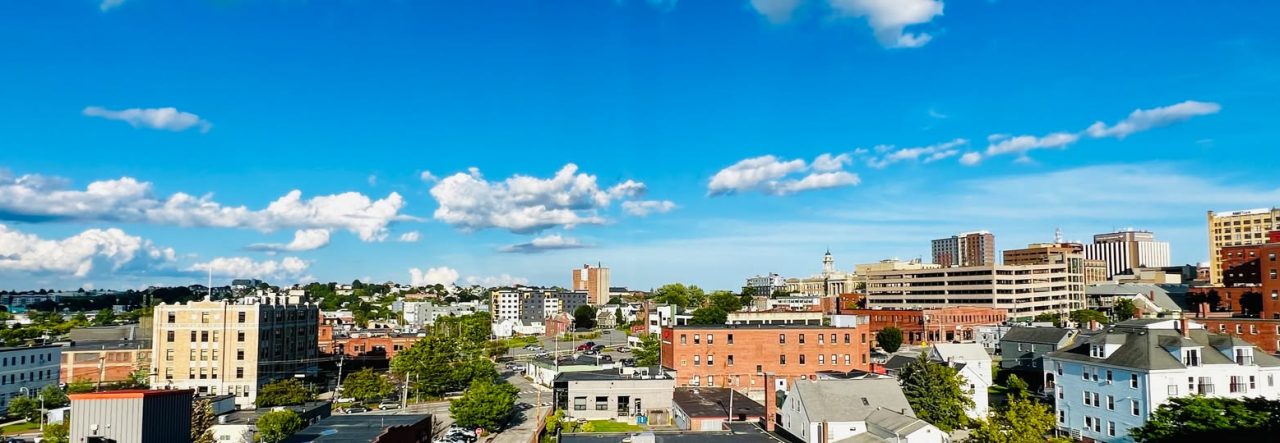
Bayside is a neighborhood in transition—not leaving its past behind, but building on it. Today’s Bayside is defined by the people who call it home: immigrant families from across the globe, longtime Mainers, young professionals, artists, small business owners, and students. It’s a place where you’ll hear multiple languages on the street, where corner stores sit next to creative studios, and where neighbors actually know each other.

A Genuinely Diverse Community
Walk through Bayside on any given day and you’ll experience Portland’s most authentically diverse neighborhood. New Mainers from African nations, asylum seekers building new lives, established immigrant communities, and multi-generational Portland families all share these streets. This isn’t diversity as a talking point—it’s the daily reality of grocery shopping, school drop-offs, and neighborhood conversations that happen in English, Arabic, French, Portuguese, and half a dozen other languages.
The neighborhood’s multicultural character isn’t new. For generations, Bayside has been home to waves of immigrants—Italian, Polish, Jewish, Irish, Armenian—each leaving their mark on the neighborhood’s character. Today’s New Mainers continue that legacy, bringing fresh energy, new businesses, and cultural richness to a neighborhood that has always been defined by the people who work hard to build better lives here.

Living in Bayside
Bayside offers something increasingly rare in Portland: affordability and urban convenience in one package. The neighborhood sits at the heart of the peninsula, making it one of Portland’s most walkable areas. Downtown is a ten-minute walk. The Eastern Promenade, Back Cove Trail, and waterfront are all easily accessible. METRO bus routes run through the neighborhood, connecting residents to the rest of the city.
Housing ranges from converted historic buildings to new apartment complexes, with thousands of additional units currently under construction or in planning. While gentrification pressures are real, Bayside remains one of the peninsula’s more affordable neighborhoods, home to working families, service workers, students, and people who make Portland function day-to-day.
The neighborhood has its challenges—concentrated poverty in some blocks, safety concerns, and limited green space. But it also has something many Portland neighborhoods have lost: genuine community spirit and neighbors who look out for each other.

Transformation in Progress
Right now, Bayside is experiencing the most significant development boom in its history. Over one thousand new housing units are in various stages of construction, with hundreds more proposed. The recent acquisition of Midtown Properties and the ongoing Franklin Street redesign project present rare opportunities to reshape large portions of the neighborhood.
These changes bring both opportunity and anxiety. Will new development displace longtime residents? Can the neighborhood add housing while maintaining affordability? How do we ensure new projects benefit current residents, not just future ones?
The Bayside Neighborhood Association is actively engaged in these questions, advocating for:
- Affordable housing in new developments
- Green space and parks for a neighborhood that currently has Portland’s lowest tree equity score
- Community input in planning processes
- Infrastructure improvements that serve all residents
- The Bayside Opportunity Center—a long-sought community hub

Community Life
Despite—or perhaps because of—its challenges, Bayside has developed a strong sense of community. The Bayside Community Garden brings neighbors together to grow food and build connections. The annual Block Party, Pet Costume Parade, and monthly First Friday Artwalk create opportunities for neighbors to gather. The Citizens’ Trash Brigade cleans up streets and shovels sidewalks. The Business Breakfast Club connects local entrepreneurs.
Small businesses define much of Bayside’s character: Bayside Bowl, Two Fat Cats Bakery, Leavitt & Sons Deli, Coffee Me Up, Isa Bistro, The Studio Portland, and dozens of other locally-owned spots. Artists and makers have long found affordable studio space here. Social service organizations like Food for All Services provide crucial support to community members.

Looking Forward
Bayside’s future is being written now. With major development projects, the push for the Bayside Opportunity Center, advocacy for neighborhood parks, and ongoing efforts to address safety and quality-of-life issues, the next few years will determine what kind of neighborhood Bayside becomes.
The neighborhood association’s vision is clear: Bayside should be a place where growth and community values work together, where new development creates opportunity for current residents, where diversity is celebrated and protected, and where everyone—from New Mainers to old-timers—can build a good life.
Bayside isn’t polished. It’s real Portland—the working-class, multicultural, resilient version that makes the city function. And for those who live here, that’s exactly what makes it home.
